
Compare Shed Companies in New Zealand
Many sheds look similar online, but the differences in design, materials, construction systems, and operator experience can be significant. To make a fair comparison, you need to look beyond price and understand what you’re actually getting.
Many shed systems are driven by sales processes rather than hands-on building experience. These franchise systems are designed to be easy to quote and sell, and on paper they look fine.
But when sheds get bigger, spans increase, or site conditions become more demanding, the limitations start to show. That’s where real building experience becomes critical, and where a lack of experience can quickly turn into real problems.
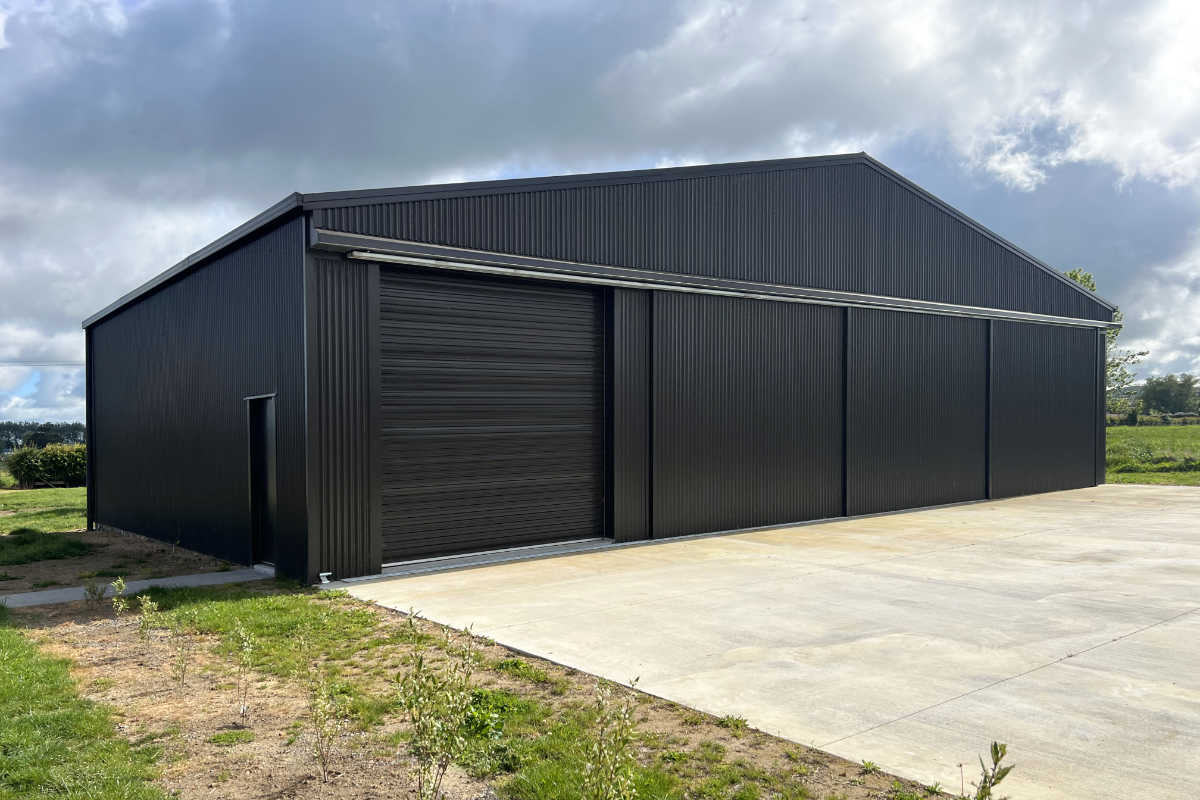
What to Look for When Comparing Shed Companies
Marketing & Websites
It’s never been easier to look established online. With AI tools and more, anyone can spin up a slick website, write convincing copy, and use images that look the part without ever having built much at all.
That’s the reality. In today’s world good marketing is easy to produce. Real experience isn’t.
A large social media following doesn’t always reflect real-world experience, project history, or build quality.
- Content: Many websites rely on recycled or AI-generated content, it sounds right but doesn’t reflect real hands-on experience.
- Images: Loads of sites show 3D renders, stock images, and AI-generated photos rather than real builds.
- Presentation: A polished website is easy to create – a proven building system is not.
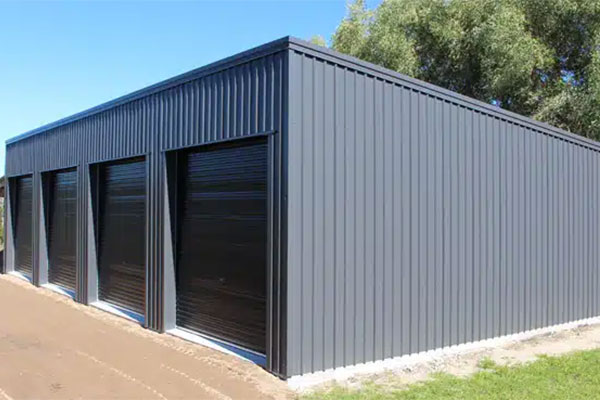
Look at the Photos
- Do they show real, high-resolution photos of their own shed builds?
- Are there clear photos showing how the framing and structure is actually put together?
- Are the photos consistent with the product they are selling?
- Do details like doors, flashings, and gutters look consistent with the other photos on the site?
- Are the images cropped tightly, showing only part of the building?
- Do the images look overly perfect or computer-generated?
- Have you seen the same images used on other websites?
These are simple checks, but once you understand them, it becomes much easier to tell the difference between real projects and generated marketing fluff.
Put simply, good marketing can be created quickly. Real experience shows up in the details – and it’s much harder to fake.
Comparing Quotes
When comparing shed quotes, these are a few of the areas that make the real difference — or where you can be cut short.
- Portal frame size and thickness: This is where the strength comes from. Some engineers will cut cost here.
- Purlin and girt size, thickness and spacing: These are often reduced to save cost, which also reduces strength.
- Portal frame connections: Are apex and knee connections bolted? Screws can fatigue and fail if subject to movement.
- Base connections: Make sure these are solid and practical to install properly.
- Bracing system: How is it installed? Some designs overload the base connections.
- Door type: Are they using domestic or commercial series? Big cost difference here.
- Roofing underlay: Is it supported on netting and installed to specification, and is it the right product for the job?
It’s easy to be misled by appearance and cost. Always check you are comparing apples with apples. If you want straight answers from someone who builds sheds, get in touch and ask whatever you need.
Which Shed Companies Are You Really Comparing?
You might be comparing different shed companies, but not always different shed systems.
In many cases, multiple brands are selling surprisingly similar sheds under different names.
Modern shed design and quoting software has made it much easier to enter the market and sell sheds without the same level of hands-on building experience.
Behind the scenes, the same quoting software, steel suppliers, roll formers, and distribution networks are used by multiple companies. The websites, branding, and quotes may look different, but the underlying product is often very similar.
This doesn’t mean all sheds are identical, but it does mean you need to look deeper than branding and marketing when comparing franchises and independent shed companies.
- Multiple companies: Different business names and websites, often part of the same wider system.
- Design and quoting software: Standardized systems and engineering used across many suppliers.
- Steel supply: Materials often sourced from the same major producers and steel merchants.
- Roll forming and distribution: Components manufactured and delivered through shared networks.
When you understand how the industry works, it becomes clear.
The real difference is not the logo or the website, but the quality of the design, the materials used, and the experience of the people you’re dealing with.
Not All Shed Systems Are Equal
There are a lot of different shed systems on the market, with new ideas being pushed all the time. Some work, but not all are practical in real word terms.
We see designs that look good on paper but don’t stack up in strength or usability. For example, some “bird-proof” designs rely on thin materials and in reality, birds shouldn’t be getting in if the shed is designed properly in the first place.
Proven systems exist for a reason. They are strong, practical, and built to perform over time.

What Sets Kitset Sheds Apart
Our systems are based on over 20 years of hands-on shed building experience. We haven’t reinvented the wheel — we’ve refined proven methods to get better results on site.
- Proven design systems: Original portal frame and top hat systems that are practical, strong, and easy to build.
- Quality materials: New Zealand Steel products, genuine Colorsteel, and quality components throughout.
- Accurate manufacturing: Pre-punched components and precise detailing for fast, clean assembly.
- Direct process: The same person designs, prices, and manages the job, keeping things accurate and accountable.
- Nationwide supply: Efficient delivery through established supplier networks.

5 Things to Consider Before You Choose
1
Build quality
Look beyond price and check the actual materials and design.
2
Structural strength
The framing system is critical, especially for larger spans.
3
Experience
Choose a company with real building experience, not just sales systems.
4
Service and accountability
Fewer layers between design and delivery usually means better results.
5
Long-term value
A better-built shed will perform longer and add more value to your property.
Find Answers to the Most Common Questions Here
Can’t find what you’re looking for? Contact us and we’ll get back to you quickly.
It’s not just the shed — it’s the system behind it, the quality of the components, and the service that ties it all together.
Avoid focusing only on price and be cautious of very low-cost options. Check for signs such as thin materials, lack of engineering detail, limited real project examples, and unclear specifications. Choosing a reputable company with proven experience helps ensure long-term quality.
Making the Right Choice
A shed is a long-term investment. The difference in cost between a low-quality shed and a well-designed, properly built structure is often small compared to the overall project cost.
Take the time to understand what you’re buying, ask the right questions, and make sure the system behind the shed is proven. When everything is considered properly, the choice becomes much clearer.


